Industrial trace heating can remain serviceable for many years, but there is no universal lifespan. Cable construction, temperature exposure, chemical environment, moisture, mechanical damage, electrical cycling, termination quality, insulation condition and maintenance all influence service life.
Age alone does not prove a system is safe or unsafe. Condition, suitability for the current duty and evidence from inspections and tests are stronger decision factors.
The cable is only one ageing component
Power connections, end seals, joints, junction boxes, sensors, controllers, contactors, protective devices, insulation and cladding can deteriorate at different rates. A circuit may stop operating because of a wet termination or failed sensor while the heating cable remains usable.
What shortens service life
Frequent or prolonged exposure near material temperature limits can accelerate ageing. Chemical attack, ultraviolet exposure where relevant, water ingress, vibration, crushed insulation, sharp edges and repeated pipework modification also matter. Poorly installed terminations and uncontrolled surface temperatures can create early failures regardless of cable age.
How maintenance supports longer life
Keep insulation and weatherproof cladding intact, investigate trips promptly, prevent other trades damaging traced assets, and retain comparable test results. Trend changes in insulation resistance, operating current or control behaviour can identify deterioration before a winter or process failure.
Good labels and drawings reduce accidental damage. Knowing the exact cable and accessories also makes approved repair possible when a local defect occurs.
When to consider replacement
Replacement becomes more attractive when failures are recurring, damage is widespread, the cable is unidentified or obsolete, spare accessories are unavailable, approvals no longer suit the area, records are absent, or the process duty has changed. Replacement may also be efficient during planned pipework or insulation renewal. Sun damage to the existing cable can be an early sign of the cable becoming brittle.
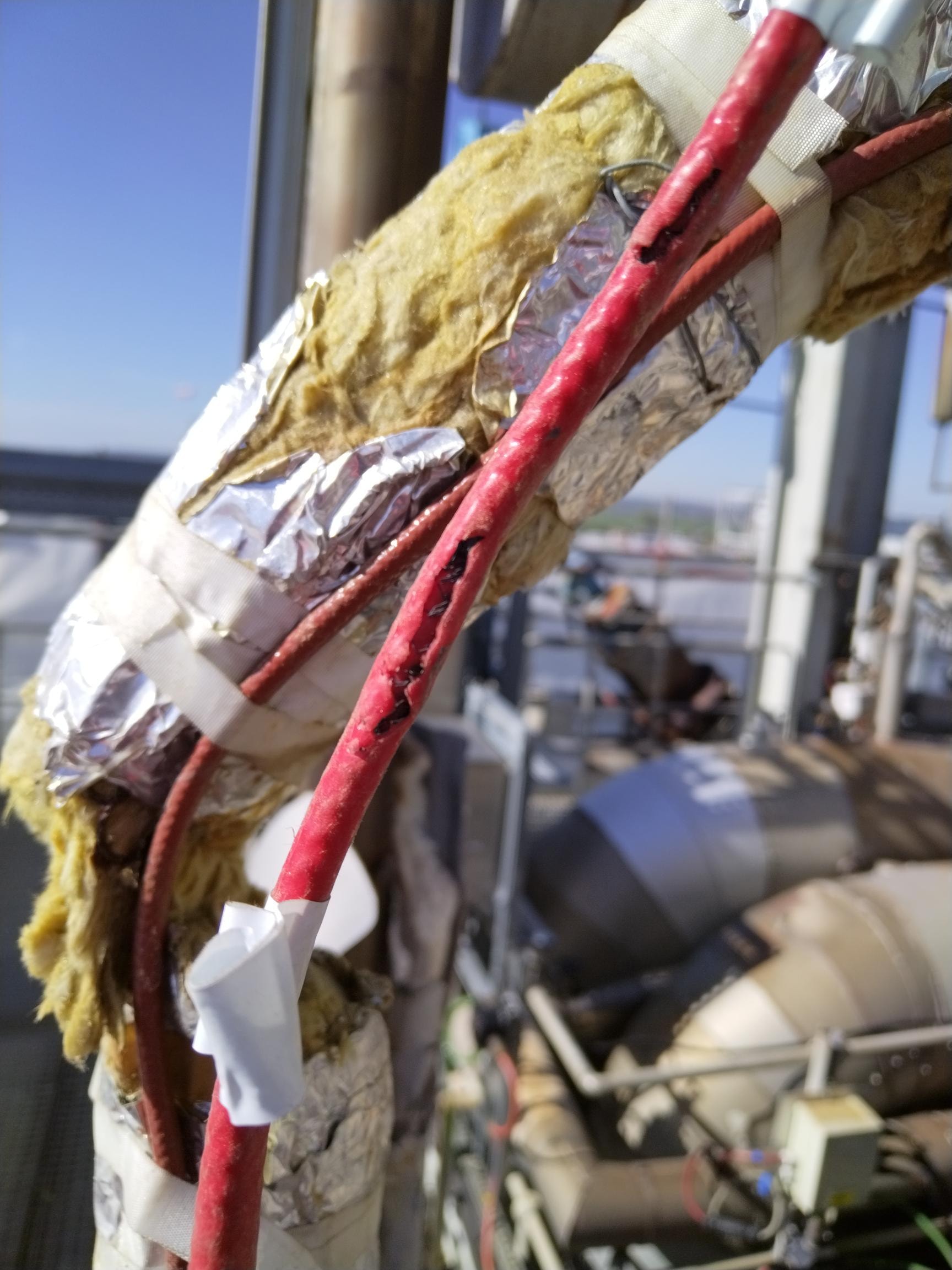
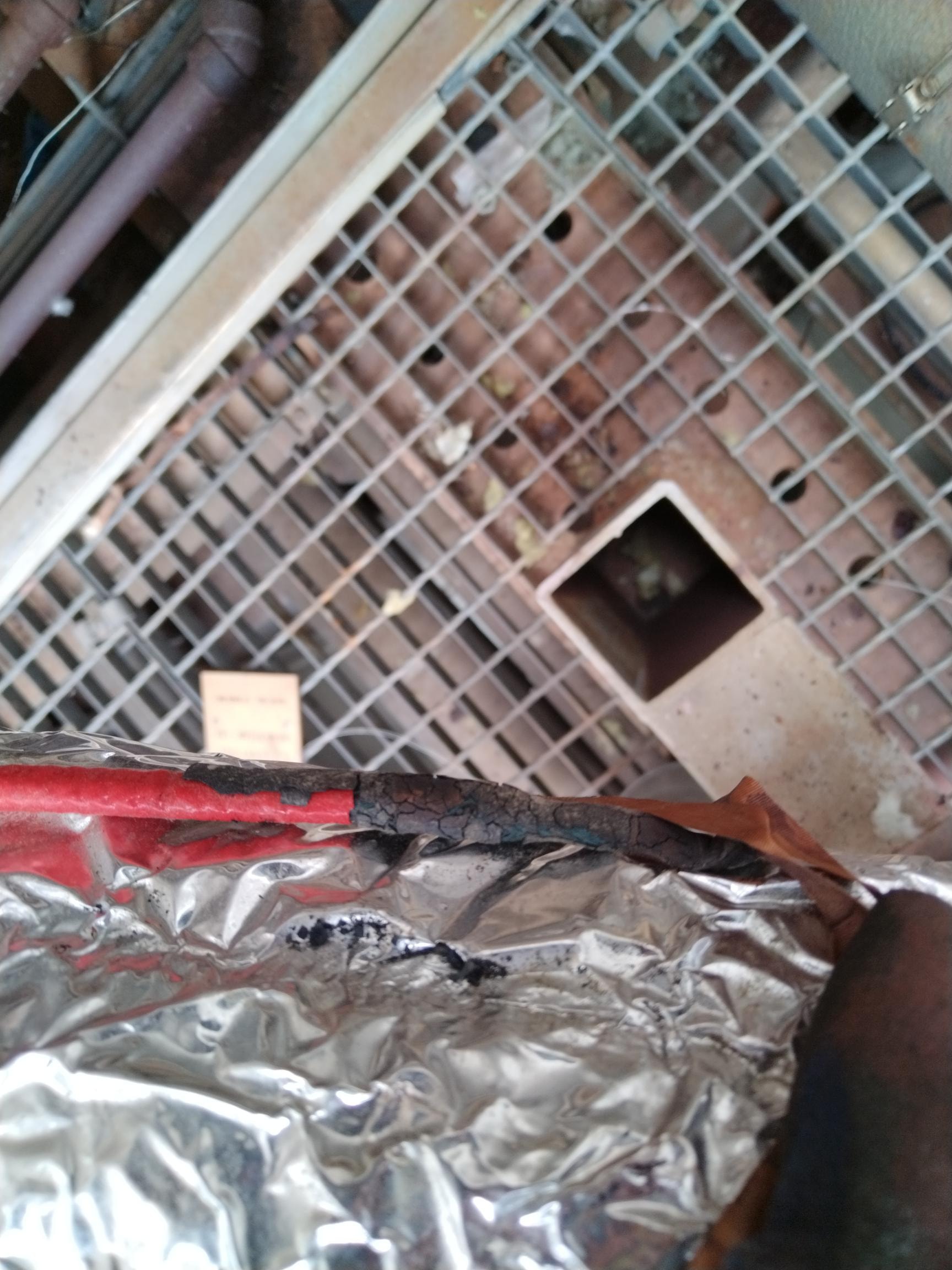
Condition assessment questions
Is the system still suitable for its maintain and exposure temperatures? Are results stable? Are terminations dry and sound? Is the insulation intact? Are repairs increasing? Can approved components still be obtained? Does the control system provide the required reliability and visibility? The answers support a repair, monitor or replace decision.
Key takeaway
Treat trace heating life as an asset-management question, not a fixed expiry date. Good design, installation, protection and records can extend dependable service; adverse exposure and poor maintenance can shorten it substantially.
Frequently asked questions
Does self-regulating cable wear out? Its materials can age through temperature, environment and service. Output and electrical condition should be assessed within the maintenance programme.
Should old trace heating be replaced automatically? Not solely because of age. Condition, duty, approvals, failure history and supportability should guide the decision.
Can test records predict failure? They cannot predict every event, but consistent trends can reveal deterioration and support earlier intervention.
The recommended next step is a site survey. TA Thermal can review the asset, existing information, controls, insulation and electrical condition before defining the work required. Call 0115 683 9540 or email info@tathermal.co.uk.